

A Quick Note to Parents: This month's newsletter is a little longer than usual because it contains several important updates and action items that require your attention. Please take a few moments to read through the entire newsletter carefully, including reminders about Playground paperwork and opportunities for extracurricular activities. Your timely response and participation help us maintain compliance with Texas Child Care Licensing requirements and allow us to continue providing the best possible experience for our children. We greatly appreciate your partnership and support in making La Mere Academy a thriving community for all. The school year is off to a wonderful start, and we are just getting warmed up! As the seasons begin to change, so do our little learners. September brings fresh beginnings, exciting discoveries, and a cozy transition into fall. This month, we will explore autumn-themed activities, celebrate creativity, and continue building strong foundations in learning, friendship, and confidence. Our days will be filled with hands-on experiences, meaningful connections, and plenty of opportunities for growth and fun. We are so excited to share all of the adventures and milestones ahead. Thank you for being a valued part of our preschool family and for partnering with us in your child's learning journey. We can't wait to make this September a memorable month together! Important Reminder: Playground Paperwork At La Mere Academy , we are committed to providing the highest quality care and education for your children. To remain in compliance with Texas Child Care Licensing requirements, it is essential that all requested paperwork in Playground is completed and kept up to date. Missing or incomplete documentation can result in licensing deficiencies for our school. Please complete all required paperwork in Playground . Any forms marked as anything other than Pending Review or Approved still require your attention. While we are grateful for the opportunity to serve your family, deficiencies can impact our operations and the excellent care we strive to provide each day. We kindly ask all parents to review and complete any outstanding forms as soon as possible. Your cooperation helps us maintain a safe, compliant, and nurturing environment for all of our children. Thank you for your support and partnership. Click the Menu on the top left corner Click Paperwork Please complete all the REQUIRED paperwork Labor Day September 7th Our preschool will be closed on Monday, September 7th , in observance of Labor Day . As we celebrate the dedication and achievements of workers everywhere, we encourage our families to take time to rest, recharge, and enjoy special moments together. Have a wonderful holiday weekend, and we'll see our little learners back in the classroom on Tuesday ! Grandparents' Luncheon September 9th & 10th Join us as we celebrate the special bond between grandparents and grandchildren! We warmly invite all grandparents, as well as anyone who plays a grandparent role in your child's life, to join us for this special event. 📅 Event Dates: September 9th – Infant (Suite 100 & 150), Toddler (Suite 200 & 250), and Pre-K Classes September 10th – Early Preschool (Suite 300, 350 & 400) and Preschool (Suite 450 & 500) Classes Enjoy a delicious meal, create cherished memories, and share plenty of smiles with your little ones. We look forward to honoring the love, support, and wisdom that grandparents bring to our families every day. 🔔 RSVP Deadline: September 4th How to RSVP Open the Playground mobile app Tap the menu (top left) Tap Calendar Scroll to the event (9/9 & 9/10) and tap RSVP to event Add any additional guests if needed Tap Confirm RSVP to submit. We can't wait to welcome our wonderful grandparents and special guests for this heartwarming celebration! Football Fridays It's time to show your team spirit! Every Friday this month , wear your favorite high school, college or NFL team colors and help us celebrate Football Friday! Whether you're cheering for your favorite Texas team or another team you love, we can't wait to see all the jerseys, shirts, hats, and team pride on display! Say Cheese! Get those smiles ready! Our fall Picture Day is just around the corner. Please mark your calendars for September 15th and 16th at 9:00 AM . We encourage all children to come dressed in their favorite outfit and ready to shine. These photos will be a wonderful keepsake, and we're excited to capture each child's unique personality and bright smile! 📅 Picture Day Schedule September 15th (9:00 AM) - Suite 100, 150, 200, 250, PreK & Siblings September 26th (9:00 AM) - Suite 300, 350, 400, 450 & 500 We can't wait to see everyone's picture-perfect smiles! 😊📷 Recyclable Items If you have any of the recyclable items listed above at home and would like to donate them, we would greatly appreciate your support! These materials help us create fun, hands-on learning experiences and creative projects for our students. Please drop off your donated items in the green recycle item box located in the front lobby. Thank you for helping us recycle, reuse, and inspire creativity in our classrooms. Every contribution makes a difference! School Age Drop In Care Drop-in care for school-age children is available through the Playground app. This option is open to our existing families. How to Book Drop-In Care In the Playground mobile app, tap the blue View [child name's] Profile button to navigate to your child's profile. Tap Schedule. This will show you the days ×s your child is currently scheduled for care. Tap Book drop-in care. Extracurricular Activity Survey Exciting Opportunities for Our Students! At La Mere Academy, we are always looking for ways to enhance our programs and provide enriching experiences for our children. We would love to hear from parents in Suite 450, Suite 500, and Pre-K about the extracurricular activities they would like their child to participate in. Your feedback will help us identify programs that match our students' interests and support their growth beyond the classroom. Please note that any extracurricular activity fees will be paid directly to the vendor and will not be included in tuition fees. We appreciate your input and look forward to offering exciting new opportunities for our students! Fill Out Survey September Calendar & Menu Calendar Menu Leave Us a 5 Star Review on Google If your family has enjoyed being part of our preschool community, we’d be so grateful if you could take a moment to leave us a 5-star review . Your kind words help other families learn about our program and support us in continuing to grow and improve. Thank you for being such an important part of our preschool family! Google Review August Guess & Win! 🎉 Congratulations to the Thomas Family in Suite 400! 🎉 They were the closest guess with 496! There were 510 erasers in the jar! Keep your eyes peeled for the September Guess and Win Jar - a new chance to play, guess, and win! May the odds be ever in your favor! Do you know a family who may benefit from La Mère Academy’s services? For each family or friend you refer who enrolls, you will receive a $500 tuition credit. Credits are applied to your account once the referred family has been enrolled for three months. There is no limit to the number of referrals—you’ll receive a credit for each one. To participate, please email your referral’s name and email address to info@lamereacademy.com.

See what's happening in August!

Every summer, families across the country look forward to pool days, beach trips, and backyard splashing. For young children, water play is one of the most joyful parts of childhood. But it also carries real risks that every parent, caregiver, and educator needs to understand. Whether you are enrolled in early learning programs , Leander, TX families looking for guidance, or simply a parent trying to keep your little one safe, water safety knowledge is one of the most important gifts you can give a child. The following tips are designed to help you create a safer environment around water, no matter where you are. The Real Danger of Drowning Before diving into prevention, it helps to understand just how serious the threat is. Drowning is the leading cause of injury-related death among children between 1 and 4 years old, and it is the third leading cause of unintentional injury-related death among children 19 and under. These numbers are sobering, but the good news is that most drowning incidents are preventable with the right precautions in place. Many parents associate water danger with pools or the ocean, but the hazards are much closer to home than most people realize. Babies and young children can drown in as little as 2 inches of water, and hundreds of children have drowned in bathtubs, garden ponds, toilets, and 5-gallon buckets. This means that water safety is not just a summertime concern. It is a year-round responsibility that begins the moment a child learns to crawl and explore their surroundings. For educators working in early learning programs, conversations around personal safety, including water safety, are a natural extension of the social-emotional and life skills curriculum. Children who learn safe habits early carry those lessons with them throughout childhood and beyond. The Non-Negotiable Rule: Active Supervision No piece of safety equipment, no fence, and no flotation device replaces the value of a fully attentive adult. You should never leave a young child unattended near water, and you should not trust a child’s life to another child. The best approach is to always designate a “water watcher” who keeps close eyes and constant attention on children in, on, and around water until the next water watcher takes over. Active supervision means more than just being nearby. For younger kids, you should stay within arm’s reach, a practice also known as “touch supervision.” For older children, you should remain actively engaged and avoid distractions like your phone. When a group of adults is present, it can feel like everyone is watching, but in reality, no one may be watching closely. Assigning a dedicated water watcher removes that ambiguity entirely. The supervising adult should ideally know how to swim and be CPR certified. Any child or inexperienced swimmer should remain within an arm’s reach of the supervising adult at all times. This level of preparedness could mean the difference between a close call and a tragedy. Barriers, Fences, and Home Safety Measures When supervision is temporarily unavailable, physical barriers serve as a critical second layer of protection. Pools should have fences that surround all four sides and stand at least four feet tall. The fence gate should open away from the pool, self-close, and latch, with the latch positioned out of reach of young children. Home water hazards deserve just as much attention. You should store buckets empty and out of reach when not in use and keep garbage cans covered. If you have a garden pond, put a fence around it to keep your child away. Empty the wading pool when it is not in use. You should also empty tubs, buckets, containers, and kids’ pools immediately after use. These small habits reduce the window of opportunity for an accident to occur. For families enrolled in early learning programs in Leander, TX, reinforcing these home safety messages during parent communication sessions can make a real difference in keeping young learners safe at home as well as at school. Teaching Children to Respect the Water Children are naturally curious about water, which makes early education around boundaries and rules especially important. Teaching your children to be water smart starts with making sure they understand the importance of asking permission before going in or near the water. This simple rule gives adults the ability to assess conditions and be prepared before a child ever enters the water. Reading books to young children about water safety, praising them for following the rules, and leading by example all work together to reinforce safe and responsible conduct. Talking to children about the dangers and explaining why safe behavior is important helps them internalize those lessons rather than simply memorize them. Children should also know what to do in an emergency. If someone is in trouble in the water, children should be taught to reach with a pole or throw a flotation device, but never jump in. Attempting a rescue without training can lead to multiple drownings. This “reach or throw, do not go” principle is simple enough for even preschool-aged children to understand and remember. Swim Lessons and Proper Flotation Devices One of the most effective long-term investments in a child’s safety is enrolling them in formal swim lessons. Children ages 1 to 4 may be at a lower risk of drowning after having formal swimming lessons. The American Academy of Pediatrics supports swimming lessons for children in this age group if the child is personally ready to learn. However, swim lessons are not a cure-all. No matter the age, swim lessons do not provide complete drown-proofing. This is why flotation devices remain important. That said, not all flotation devices are created equal. Water wings and floaties may give a false sense of security. Only U.S. Coast Guard-approved life vests are reliable flotation devices, and they should fit properly and be worn by inexperienced swimmers and young children at all times near water. Water safety experts also recommend dressing children in bright, contrasting colors that stand out in the water, making it easier to spot them quickly in an emergency. These practical steps, combined with formal instruction, build a strong foundation of water competence and confidence. Building a Culture of Water Safety in Early Education Water safety is not a one-time conversation. It is a mindset that needs to be cultivated continuously, both at home and in educational settings. Early learning programs play a powerful role in shaping the habits and attitudes children carry into every environment they encounter. When teachers, caregivers, and parents consistently model and reinforce safe behavior around water, children grow up treating those boundaries as a natural part of life rather than an inconvenient rule. For families participating in early learning programs in Leander, TX and surrounding communities, connecting water safety education to the broader goals of child development creates well-rounded, safety-conscious kids. Schools and programs that weave these lessons into their curriculum send children home better equipped to protect themselves and look out for their peers. Keeping the Fun Without Sacrificing Safety Water is one of childhood’s greatest pleasures, and the goal of water safety education is never to instill fear. It is to empower. When children and caregivers understand the risks, follow consistent rules, and practice good habits from an early age, water becomes a place of joy rather than danger. Start the safety conversations early, stay present and attentive, and make water-smart behavior a regular part of your family’s routine all year long.

Every parent wants their child to grow up confident, capable, and ready to take on the world. Yet the foundation for those qualities is not built overnight. It is laid during the earliest years of a child’s life, inside homes, classrooms, and early learning programs where tiny hands learn to share, tiny voices learn to express, and young minds learn to solve problems. Understanding why life skills matter so deeply in early childhood education can help families make better decisions for their children, especially for those exploring early learning programs in Leander, TX and surrounding communities. Why the Early Years Are the Most Critical Window Early learning refers to the education and experiences that children receive from birth to age five, a period often described as the most critical stage in a child’s development. During these years, a child’s brain undergoes rapid growth, forming connections that lay the foundation for future learning and development. This is not limited to reading or counting. The scope of what children absorb during this window is remarkably wide, covering emotional regulation, communication, independence, and social awareness. The periods of infancy and early childhood are especially important for the development of sensory, motor, language, and spatial skills. The development of these skills is accompanied by progress toward goal-directed actions, including communication, emotional expression, and movement. In other words, when a toddler learns to ask for help instead of throwing a tantrum, that is a life skill in action. When a preschooler figures out how to take turns during a game, social development is happening in real time. Families searching for quality early learning programs want environments where this kind of growth is intentional, structured, and celebrated every single day. What Life Skills Actually Look Like in a Classroom Life skills are sometimes misunderstood as being separate from academic learning. In reality, they are deeply intertwined with it. Life skills, including social, emotional, cognitive, and interpersonal competencies, help learners navigate challenges, build relationships, and make informed decisions. In a well-designed early childhood classroom, these competencies show up in everyday routines. A child learning to clean up after playtime is practicing responsibility. A child comforting a classmate who is upset is developing empathy. A child working through a puzzle that does not immediately cooperate is building resilience. Through play-based learning and interactive experiences, children are provided opportunities to develop essential cognitive, physical, social, and emotional skills in a fun and engaging way. This approach not only fosters academic growth but also helps children develop important life skills such as problem-solving, communication, and collaboration. For parents exploring early learning programs in Leander, TX, finding a center that intentionally weaves these experiences into the daily schedule is one of the most important factors to consider. The Long-Term Payoff of Starting Early The benefits of life skill development in early childhood do not fade once children leave preschool. They compound over time, influencing how children perform in school, how they relate to others, and even how they function as adults. Research shows that children in early education programs perform better in school. They develop stronger reading, math, and thinking skills compared to peers without early education. This foundation helps them transition smoothly into formal schooling, and over time, they achieve higher grades and have better graduation rates. The economic case is equally compelling. Research by Professor James J. Heckman indicates that every dollar invested in high-quality, birth-to-five early childhood programs can deliver a 13 percent return on investment, representing the highest rate of economic return of any workforce development initiative. That figure reflects outcomes across income, education, health, and broader life stability. Other research points to enhanced cognitive development in children, such as better memory and improved problem-solving abilities, as well as stronger social and emotional skills such as conflict resolution and empathy. These are not just nice-to-have traits. They are the building blocks of a healthy, productive life. How Quality Programs Teach Life Skills Intentionally Not all early learning environments are created equal. The best early learning programs go beyond basic childcare by creating purposeful learning experiences that target specific developmental milestones. High-quality early childhood education takes a whole-child approach that recognizes the crucial role of nurturing environments and high-quality interactions in a child’s early years. Research consistently affirms that children who have access to early childhood education demonstrate higher levels of school readiness, improved cognitive development, and greater social-emotional skills compared to their peers who do not participate in such programs. Qualified educators play a central role in this process. When teachers are trained to observe, support, and scaffold a child’s developing skills, they create a classroom culture where life skills are taught with as much intention as letters and numbers. Effective methods for teaching life education to young children include increasing motivation through stories and applying experiential activities as teaching strategies. Stories about sharing, role-play about conflict resolution, and hands-on activities that require cooperation all help children internalize values and habits that will serve them for decades. Parents in Leander, TX looking at early learning programs should ask how a program approaches social-emotional learning, how teachers respond to conflicts between children, and how independence is encouraged throughout the day. These questions reveal a great deal about the quality of life skills instruction happening inside a classroom. Building Emotional Intelligence as a Core Skill Among all the life skills children develop in early childhood settings, emotional intelligence deserves special attention. The ability to identify feelings, manage reactions, and understand the emotions of others is foundational to almost every other area of development. Good psychological wellbeing gives young children the best chance to develop into healthy adults who have the coping skills in place to deal with day-to-day life. Good mental health and emotional health help young children develop socially, emotionally, mentally, and physically. Learning to manage feelings is important to both mental and emotional health. Although parental influence remains important during middle and late childhood as well as adolescence, children’s connection with the environment is dynamic, and contacts at school or in the neighborhood gain importance, enabling new relationships with peers as well as with adults. This means the early learning environment is one of the first places outside the home where a child practices being a social, emotionally aware person. When children are given the language to name their feelings, the space to process them safely, and the guidance to respond constructively, they build emotional resilience that protects them throughout life. Programs that prioritize this are not simply teaching children how to behave. They are teaching children who to be. Building the Future Starts Right Now The early years are irreplaceable. No amount of catch-up later in life fully replicates what a child absorbs between birth and age five. Families who invest thoughtfully in early learning programs, whether in Leander, TX or anywhere else, are giving their children one of the most powerful gifts available: a strong, well-rounded foundation built on both academic readiness and genuine life skills. Choosing the right program means choosing an environment where your child is not only learning to read and count, but also learning to connect, persist, empathize, and grow.

Woohoo! Summer is officially here, and it’s time for relaxation, sunshine, and lots of fun! This month, our classes will transition into a more relaxed summer curriculum designed to keep learning exciting and engaging. We’re especially excited to introduce our weekly Splash Days—a perfect way for the children to cool off and enjoy summer to the fullest! Our summer curriculum will align with our seasonal camp themes, giving everyone the opportunity to learn through play all summer long. Be sure to scroll down for more details about Splash Days and everything you’ll need to know. We also apologize for the longer newsletter this month, but we have so many exciting upcoming events and a few important housekeeping reminders to share with you. Thank you for taking the time to read through everything! Father’s Day Celebration June 12th 🌭 Celebrating Our Amazing Dads! 💙 This month, we’re celebrating all the incredible dads and father figures in our community with hot dogs, cold drinks, and live music on the lawn – a small way to say thank you for all that you do! We honor and embrace the broad meaning of “dad.” Whether you’re a stepdad, grandfather, uncle, family friend, or anyone who fills that special role, we celebrate you . Last year, we had a phenomenal turnout, and we’d love to see that same amazing energy again this year, so let’s keep it going! Pixar Day June 5th Get ready to celebrate all things Pixar! Come dressed as your favorite Pixar or Disney character and join us for a day full of fun. We’ll have exciting photo booths and interactive activities happening throughout the school. There’s something for everyone! It’s going to be an unforgettable day, and we can’t wait to have a LOT of fun together!! 🎉 🌊 Splash Day Reminder ☀️ Splash Day is all about creating joyful memories and kicking off the warm season with excitement and play! Please have your child dressed and ready for water fun at drop-off: Swimsuit Water shoes Swim diaper (if needed) Sunscreen already applied Don’t forget to pack an extra set of clothes for after the festivities. 🗓️ Please refer to the information above for the full Splash Day schedule so you know when your child’s class will be participating. We can’t wait for a fun and splash-filled day! 😄 🍋 Lemonade Stand-Off Fun 6/16 🍋 Our summer campers will be putting their creativity and confidence to the test with a fun Lemonade Stand-Off ! Throughout the week, campers will explore the basics of entrepreneurship while also learning important finance and budgeting skills such as planning costs, setting prices, and managing simple “profits.” Working in teams, they’ll design their own lemonade stands, develop ideas, and practice communication and teamwork. On the big day, each group will proudly showcase their stand and share what they’ve created. This hands-on experience is a wonderful way for campers to build confidence, develop real-life skills, and gain an early understanding of money management—all while having fun. We can’t wait to see our young entrepreneurs shine! Red, White, & Blue Bike Parade 7/2 🚲 Decorate your bikes, trikes, and push toys and come dressed in your most patriotic gear for our Red, White, and Blue Bike Parades! ❤️🤍💙 Prizes will be awarded for Best Dressed and Best Decorated . Parents are welcome and encouraged to join the fun! Parade Schedule: Infant/Toddler Parade – 9:30 AM (Suites 100, 150, 200, 250, 300) Preschool Parade – 10:05 AM (Suites 350, 400, 450, 500) Pre-K Parade – 10:35 AM Drop-Off & Preparation: Bikes, trikes, and push toys may be dropped off on Thursday morning in front of the building. Please find the sign with your child’s Suite number and place the bike in the designated area. Labeling your child’s bike with their name is encouraged and appreciated. Safety Reminders: Helmets are strongly encouraged for all riders. Scooters are allowed. No power wheels or motorized bikes, please. 🚧 Important : The parking lot will close at 9:00 AM , and all vehicles must be cleared before that time. We can’t wait to celebrate with a festive and fun parade! 🎉🚲 🎓 A Bittersweet Season 💛 This time of year is always a little bittersweet as we prepare to say goodbye to some of our families heading off to “big kid school.” We are so proud of all they’ve accomplished and grateful to have been part of their journey! As a reminder, parents may withdraw their child from La Mère Academy by providing written notice at least one full calendar month in advance . The child’s last day will be the final day of the following calendar month, and tuition charges will continue through that date. Examples: Notice given May 7 → Last day is June 30 Notice given June 24 → Last day is July 31 To ensure billing is processed accurately, we kindly ask that you provide as much notice as possible. Please note that notifying your child’s teacher does not fulfill this requirement. All withdrawal notices must be submitted via email to billing@lamereacademy.com and should include: Child’s name Classroom Intended last day of enrollment Thank you for helping us make this transition smooth for your family! 💕 Tuition Rates Effective 8/1/2026 After nearly 20 months without a tuition increase, we will be implementing a modest adjustment to our tuition rates effective August 1, 2026 . This decision was made thoughtfully to ensure we can continue providing the high-quality care, enriching programs, and dedicated staff support that our families value. Rising operational costs, along with our ongoing investment in curriculum, materials, and teacher development, have made this step necessary. We remain committed to delivering an exceptional experience for your children and truly appreciate your continued trust and support. Please know we strive to keep any increases as minimal as possible while maintaining the standard of excellence you expect from La Mère Academy. Staff Development Week School Closure! August 3rd-7th! Please don’t forget that La Mère Academy will be closed the first week of August (August 3 – August 7) for Staff Development. We appreciate your understanding as we take this time to support and strengthen our team. Thank you for your continued support! Mrs. Tiffany It is with mixed emotions that we share that Mrs. Tiffany has departed from La Mère Academy. She has been a valued member of our community, bringing warmth, dedication, and care to the children and families she has worked with each day. We are truly grateful for the positive impact she has made and the relationships she has built during her time with us. While we will certainly miss her, we wish Mrs. Tiffany all the very best in her next chapter and know she will continue to do wonderful things. Leave Us a 5🌟 Review on Google If your family has enjoyed being part of our preschool community, we’d be so grateful if you could take a moment to leave us a 5-star review . Your kind words help other families learn about our program and support us in continuing to grow and improve. Thank you for being such an important part of our preschool family! Summer Camp The word is out about our incredibly fun Summer Camp! Thank you so much for your continued support. We are thrilled by the amazing response! ✨ New this year : We’re excited to be incorporating even more life skills learning into our camp experience, helping campers build confidence, independence, and everyday abilities while having fun! 🚍 Field Trip Reminder: All summer camp field trips will depart promptly at 9:00 AM and return by 2:00 PM . Please be sure to arrive on time, so your child doesn’t miss the bus! We can’t wait for an exciting summer ahead! May Guess & Win! 🎉 Congratulations to the Smith Family! 🎉 They guessed it exactly right! 121 gumballs were in the jar! 🍬✨ Way to go! Keep your eyes peeled for the June Guess & Win Jar, a brand new chance to play, make your guess, and win! May the odds be ever in your favor! 🎯🎁 Family Referral Program Do you know a family who may benefit from La Mère Academy’s services? We’d love to welcome them into our community! For each family or friend you refer who enrolls, you’ll receive a $500 tuition credit . Credits are applied to your account once the referred family has been enrolled for three months. ✨ There’s no limit to the number of referrals, the more families you refer, the more you earn! How to participate : Simply email your referral’s: Name Email address to info@lamereacademy.com Thank you for sharing La Mère Academy with others!

As a parent in Leander, TX, one of the most common questions you might find yourself asking is: when is the right time to enroll my child in preschool? It is a question that carries a lot of weight, because the early years of a child’s life are some of the most formative. The good news is that Leander, TX has a growing number of early learning programs designed to support children at various developmental stages. Understanding when and how to start can make all the difference in setting your little one up for long-term success. Preschool Age Ranges in Leander, TX Most preschool programs in Leander, TX accept children between the ages of 2.5 and 5 years old, though this can vary depending on the specific program. Generally speaking, children who turn 3 by a certain cutoff date are eligible for traditional preschool, while Pre-K programs typically serve 4-year-olds who will be entering kindergarten the following year. Some early learning programs in Leander, TX also offer toddler classes for children as young as 18 months to 2 years old. These programs are designed to introduce very young children to structured social environments in a gentle, nurturing way. If your child falls within that age range and you are noticing signs of curiosity and readiness, it may be worth exploring what toddler-focused early learning programs are available in your area. It is also worth noting that the state of Texas offers a public Pre-K program for eligible 4-year-olds, and in some cases, eligible 3-year-olds as well. Eligibility is typically based on factors such as income level, limited English proficiency, or being the child of an active-duty military member. If your family qualifies, this can be a wonderful and affordable entry point into early education right here in Leander, TX. Signs Your Child May Be Ready for Preschool Age is just one piece of the puzzle. Readiness is equally important, and every child develops at their own pace. There are several signs that your child might be ready to benefit from early learning programs, regardless of whether they just turned 3 or are closer to 4. Social interest is one of the first things to watch for. If your child is showing curiosity about other children, enjoys playing alongside peers, or is starting to engage in imaginative play, these are positive indicators of social readiness. Preschool environments are built around cooperative and parallel play, so a child who gravitates toward other kids is likely to thrive. Communication is another key factor. Your child does not need to be speaking in perfect sentences, but they should be able to express basic needs, follow simple two-step directions, and understand what is being said to them. Teachers in early learning programs in Leander, TX are trained to work with children at varying communication levels, but a baseline of verbal or nonverbal communication helps ease the transition. Emotional readiness also plays a big role. Can your child handle short separations from you without becoming severely distressed? Can they begin to manage small frustrations? These are not requirements for enrollment, but they do speak to how smoothly the adjustment period might go. Many children cry on the first few days of preschool, and that is completely normal. What matters is whether your child has the beginnings of coping skills that will develop further through the preschool experience itself. Physical independence is worth considering as well. Most preschool programs in Leander, TX expect children to be able to manage some basic self-care tasks, such as washing hands, eating independently, and ideally being toilet trained or close to it. Not every program has strict potty-training requirements, so it is always a good idea to ask the specific school about their policies. The Benefits of Starting Early Learning Programs in Leander, TX Research consistently shows that children who participate in quality early learning programs gain significant advantages in cognitive development, language skills, and social-emotional growth. In a city like Leander, TX, where the population has grown rapidly and the demand for quality childcare and education has increased, there are more options than ever to find a program that fits your child’s unique needs. One of the most valuable aspects of preschool is the structured routine it provides. Young children thrive on predictability, and preschool introduces them to the rhythm of a school day in a low-pressure setting. They learn to transition between activities, follow classroom rules, and listen to a teacher in a group setting. These are all foundational skills that will serve them well when they enter kindergarten and beyond. Language and literacy development accelerates dramatically in a quality preschool environment. Through storytelling, songs, conversations, and hands-on activities, children in early learning programs build vocabulary, phonemic awareness, and early reading readiness. These skills have a direct impact on future academic performance. The social component cannot be overstated. Learning to share, take turns, resolve conflicts, and build friendships are all things that children begin practicing in preschool. For only children or those who have limited exposure to peers, preschool offers a critical window for developing these social skills in a supervised, supportive setting. Choosing the Right Preschool in Leander, TX Once you have decided that your child is ready, the next step is finding the right fit among the early learning programs available in Leander, TX. There is no one-size-fits-all answer here, because families have different values, schedules, and budget considerations. Start by visiting programs in person. Observe how teachers interact with children, how the classroom is set up, and whether the overall environment feels warm and welcoming. Trust your instincts as a parent. You know your child better than anyone, and a good preschool will feel like a natural extension of your family’s values. Ask about the curriculum approach. Some early learning programs in Leander, TX follow play-based learning philosophies, while others incorporate more structured academic preparation. Neither is inherently better, but one may align more closely with your child’s learning style and your family’s goals for early education. Consider logistics as well. How far is the school from your home or workplace? What are the hours of operation? Is there flexibility for part-time enrollment? These practical factors matter just as much as the educational philosophy, especially for working parents who need consistent scheduling. Look into the credentials of the staff. Teachers in quality early learning programs should have training in early childhood education, and the program itself should meet state licensing requirements. In Texas, the Texas Health and Human Services Commission oversees childcare licensing, and you can check the status of any licensed program online. Do not overlook reviews and word-of-mouth recommendations from other Leander, TX families. Parent communities, neighborhood Facebook groups, and local parenting forums can be incredibly helpful in identifying which early learning programs have strong reputations for nurturing, effective instruction. Conclusion Deciding when to start preschool is a deeply personal decision that depends on your child’s age, developmental readiness, and your family’s unique circumstances. Leander, TX offers a range of early learning programs that can support children from toddlerhood through Pre-K, giving families plenty of options to find the right fit. Whether your child is 2.5 or nearly 5, what matters most is that they enter a learning environment where they feel safe, supported, and excited to grow. Take your time, do your research, and trust that you are making a thoughtful choice for your child’s future.

Parenting is one of the most rewarding yet challenging journeys a person can take. When it comes to education, no two children follow the same path, and that reality becomes especially clear during the early years. For families exploring early learning programs in Leander, TX, understanding that each child develops at their own pace is the first step toward making the right educational choices. But beyond finding the right program, there is something equally important that often goes overlooked: the relationship between parents and the educators who serve their children. Trust, once broken or never properly built, can make or break a child’s educational experience. Understanding That Every Child Learns Differently Children are not blank slates waiting to be filled with the same information at the same speed. From the moment they are born, they bring unique temperaments, curiosity levels, sensory preferences, and cognitive styles into the world. Some children are visual learners who thrive when they can see and touch things. Others are auditory learners who absorb information best through listening and conversation. Still others are kinesthetic learners who need to move, build, and explore in order to understand concepts. When parents enroll their children in early learning programs in Leander, TX, it helps to go in with open eyes about what makes their child tick. A program that works beautifully for one family’s child might not be the right fit for another. This does not mean the program is bad or the child is behind. It simply means that the match between a child’s learning style and the program’s approach matters enormously. Early childhood educators are trained to observe these differences and adapt their methods. However, that process works best when parents are actively involved and communicate what they know about their child. No one knows a child better than the people raising them, and sharing those observations with teachers creates a stronger foundation for learning. The Role of Early Learning Programs in a Child’s Development High-quality early learning programs do far more than teach children their ABCs and how to count to ten. They lay the groundwork for emotional regulation, social skills, problem-solving, and a lifelong love of discovery. Research consistently shows that children who participate in structured early childhood education programs are better prepared for kindergarten and beyond. In communities like Leander, TX, where families are growing and neighborhoods are expanding, access to quality early learning programs has become increasingly important. Parents are looking for environments where their children feel safe, seen, and stimulated. They want teachers who are patient, skilled, and genuinely invested in each child’s growth. The best early learning programs recognize that development is not linear. A child might be advanced in language skills but still working through social boundaries with peers. Another child might be emotionally mature but need extra support with fine motor activities. Honoring that complexity is what separates a good program from a truly exceptional one. When parents find a program that embraces these differences, the next important step is building a relationship of mutual trust with the educators involved. Why Trust Between Parents and Educators Gets Broken Trust does not always start off on shaky ground, but it can erode quickly if communication breaks down. There are several common reasons why parents may feel disconnected from or skeptical of their child’s early learning program. First, when parents do not receive regular updates about their child’s progress, they may feel left in the dark. Silence can breed worry, and worry can turn into distrust. Parents deserve to know what their child is working on, what challenges they are facing, and what wins they are celebrating. Second, when a parent raises a concern and feels dismissed or unheard, the relationship suffers. Educators are professionals with valuable expertise, but parents bring irreplaceable knowledge about their own child. When neither side fully listens to the other, the child ends up caught in the middle. Third, transitions can also create friction. Moving from one program to another, or adjusting to a new classroom or teacher, can be disorienting for both children and parents. Without intentional efforts to rebuild rapport during these transitions, trust can quietly slip away. For families in Leander, TX who are navigating early learning programs and feeling uncertain about the relationship they have with their child’s school, it is worth knowing that rebuilding trust is entirely possible. It takes effort from both sides, but the payoff is a richer, more supportive educational experience for the child. How Parents Can Take Steps to Rebuild Trust Rebuilding trust starts with a willingness to show up, even when it feels uncomfortable. Parents who have had difficult experiences with schools or educators in the past may carry those wounds into new situations. Acknowledging that history without letting it define the current relationship is a powerful first move. Start by scheduling a one-on-one conversation with your child’s teacher or program director. Come with genuine questions rather than accusations. Ask how your child is doing socially and emotionally, not just academically. Express what you hope for your child and ask how the program can support those goals. This kind of open dialogue creates a bridge between home and school that benefits everyone. It also helps to be consistent in your involvement. Attend parent meetings, respond to communications promptly, and follow through on anything you commit to at home that supports your child’s learning. When educators see that a parent is engaged and dependable, they invest more deeply in that relationship. Being transparent about your child’s needs is equally important. If your child is going through something difficult at home, a simple heads-up to the teacher can prevent misunderstandings. You do not need to share every detail of your family life, but a brief note that says your child may be having a harder week than usual allows the teacher to respond with more compassion and context. For parents exploring early learning programs in Leander, TX for the first time, take the trust-building process seriously from the very beginning. Visit the program before enrolling. Observe how teachers interact with children. Ask about their philosophy on discipline, communication, and individualized support. A program that welcomes these questions is one that respects the parent-educator partnership. Creating a Long-Term Partnership That Supports Your Child The goal is not just to repair a broken relationship or survive the early years. The goal is to create a long-term partnership between parents, educators, and the child that grows and evolves over time. When that partnership is working well, children feel it. They walk into school with confidence because they know the adults in their life are aligned and working together on their behalf. Every child deserves to be seen as an individual, not a checklist of milestones to complete on a standardized timeline. Parents who advocate for that individualized approach and educators who deliver it are a powerful team. Trust is the thread that holds that team together. Without it, even the best curriculum and the most qualified teachers can fall short. With it, children thrive in ways that go far beyond academic achievement. Conclusion Every child is different, and the path to meaningful early education begins with accepting and celebrating that truth. For families connected to early learning programs in Leander, TX, rebuilding and maintaining trust with educators is not optional; it is essential. When parents and teachers communicate openly, show up consistently, and keep the child’s unique needs at the center of every decision, the results speak for themselves. Start the conversation today, and give your child the foundation they deserve.

Another month packed full of fun is here! We’re kicking things off with our Stick Horse Derby this Friday, May 1st . Next up is Teacher Appreciation Week , followed by our beloved Mother’s Day celebration, Madres de La Mere . Be sure to check out the calendar below so you don’t miss any of the excitement! Stick Horse Derby 5/01 🎩 Bust out the fancy hats and seersucker—it’s race day! 🐎 We’re off to the races with a Stick Horse Derby full of fun, flair, and friendly competition! Join us for: 👒 Hat Contest 🏇 Stick Horse Derby (stick horses will be provided) 🍽️ Kentucky Hot Browns for dining enjoyment 🗓️ Race Schedule 9:30 AM – Suites 250, 300 & 350 9:50 AM – Suites 400, 450 & 500 10:25 AM – Pre-K 👨👩👧 Parents are more than welcome to attend! 🚗 Please note: The parking lot will close at 9:00 AM , as it does on special event days. We can’t wait to celebrate with you—let the races begin! 🏁 Teacher Appreciation Week 5/4-5/8 We have a lovely week planned to celebrate our wonderful teachers! 🌸 On Tuesday morning , please have your child select a flower to give to their teacher and write them a special note in the lobby—it’s a small gesture that means so much. To help you spoil them even more, our Staff Favorites Binder will be available at the front desk throughout the week. Thank you for helping us shower our teachers with the appreciation they deserve! 💛 Madres de La Mère 5/8 @ 3pm Our annual Mother’s Day celebration is upon us! This is one of our favorite days! Mamas, please join us for a slushie 😉, some yummy snacks and fun! We are looking forward to celebrating YOU! Pre-K Graduation Day Friday 5/15 NO SCHOOL FOR PRE-K As we prepare for graduation, our entire team will be all hands on deck, decorating and setting up. For this reason, there will be no school for any Pre‑Kindergarten students on this day—even if they are not graduating. Please be sure to plan accordingly. 🎓 Graduation Details Time: 5:30 PM Location: Parq Social 1641 Scottsdale Dr. Leander, TX 78641 ⏰ Important Arrival Times Graduates: Please arrive at 5:00 PM Parents: Doors will open, and families will be admitted at 5:30 PM Thank you for your understanding as we work to make this a special and memorable celebration for our graduates! 🌟 School Closure 5/25 In observance of Memorial Day, we will be closed Monday, May 25, 2026. Enjoy a safe holiday weekend with friends and family. We will see y’all Tuesday! Leave Us a 5🌟 Review on Google If your family has enjoyed being part of our preschool community, we’d be so grateful if you could take a moment to leave us a 5-star review. Your kind words help other families learn about our program and support us in continuing to grow and improve. Thank you for being such an important part of our preschool family! April Guess & Win! 🎉 Congratulations to the Logesh Family! 🎉 They were the closest guess with 565! There were 575 jelly beans in the jar! Keep your eyes peeled for the May Guess and Win Jar – a new chance to play, guess, and win! May the odds be ever in your favor! Family Referral Program Do you know a family who may benefit from La Mère Academy’s services? For each family or friend you refer who enrolls, you will receive a $500 tuition credit. Credits are applied to your account once the referred family has been enrolled for three months. There is no limit to the number of referrals—you’ll receive a credit for each one. To participate, please email your referral’s name and email address to info@lamereacademy.com.
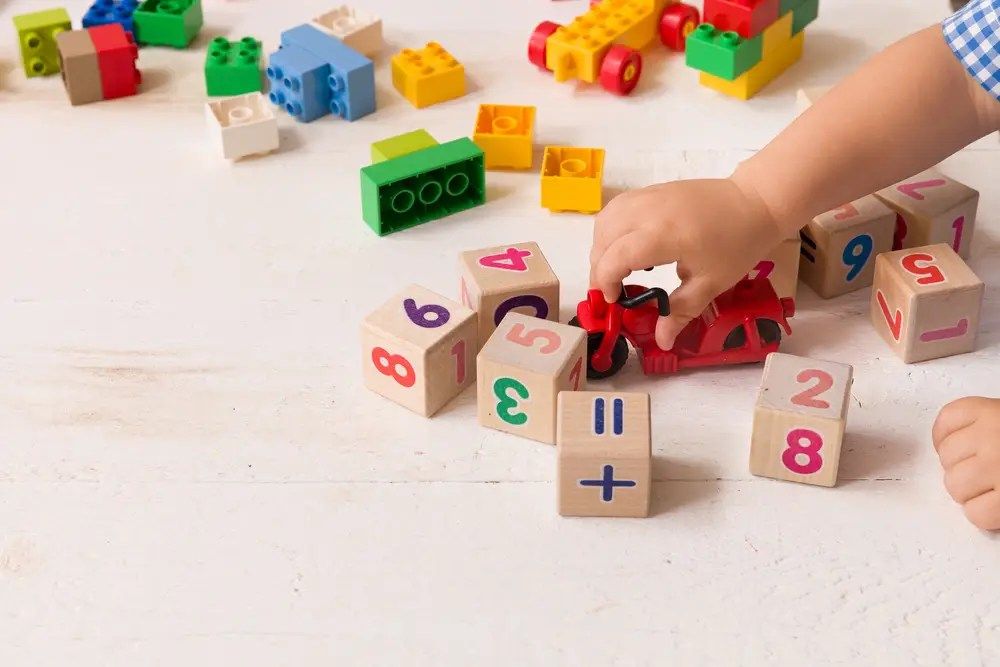
Every year, communities across the United States take time to recognize the importance of early childhood education through the Week of the Young Child. This special occasion, typically celebrated in April, highlights the vital role that early learning programs play in shaping the futures of our youngest learners. For parents, educators, and caregivers in places like Leander, Texas, this week offers a perfect opportunity to reflect on how quality early learning programs contribute to child development and community growth. The Importance of Early Learning Programs Early learning programs serve as the foundation for a child’s educational journey. Research consistently shows that children who participate in quality early learning programs demonstrate improved cognitive development, better social skills, and increased school readiness. These programs provide structured environments where young children can explore, play, and learn under the guidance of trained professionals. In Leander, Texas, parents have access to various early learning programs designed to meet the diverse needs of families. From traditional preschool settings to innovative learning centers, these facilities offer children the opportunity to develop crucial skills during their most formative years. The impact of early learning programs extends far beyond academics, influencing children’s ability to interact with peers, manage emotions, and approach challenges with confidence. Quality early learning programs emphasize play-based learning, which research shows is essential for healthy child development. Through play, children develop problem-solving skills, creativity, and physical coordination. Educators in these programs understand that children learn best through hands-on experiences and meaningful interactions with their environment. This approach transforms everyday activities into valuable learning opportunities that build strong foundations for future academic success. The Role of Early Learning Programs in Community Development Communities benefit significantly when they invest in early learning programs. When children receive quality early education, entire families and neighborhoods experience positive ripple effects. Parents who trust their children in quality early learning programs can focus on their careers and personal development, knowing their children are safe and thriving. This support system strengthens the overall economic and social fabric of communities like Leander, Texas. Early learning programs also create employment opportunities for educators and support staff. These professionals bring expertise, passion, and dedication to their work with young children. By supporting early learning programs, communities invest in jobs and economic stability while simultaneously enriching the lives of countless children and families. Furthermore, early learning programs serve as important resources for families seeking guidance on child development and parenting. Many programs offer parent workshops, family events, and individual consultations to help caregivers support their children’s growth at home. This partnership between educators and families creates a comprehensive support system that benefits children long after they leave the classroom. Celebrating Achievements During Week of the Young Child The Week of the Young Child provides an ideal moment to celebrate the accomplishments of children, educators, and early learning programs. Throughout this week, schools and centers organize special events, performances, and activities that showcase what children have learned. In Leander, Texas, early learning programs participate in this celebration by inviting families to observe classroom activities, attend performances, and participate in festivities that highlight children’s growth and development. These celebrations serve multiple purposes beyond simply marking a calendar date. They allow parents to witness firsthand the engaged learning environments their children experience daily. Children benefit from having their efforts recognized and celebrated, which boosts confidence and motivation. Educators use this time to share insights about child development with families and demonstrate the intentional teaching strategies they employ throughout the year. Community members also get involved in Week of the Young Child celebrations. Local businesses, libraries, and organizations often partner with early learning programs to offer special activities, story times, or educational resources. These partnerships strengthen community connections and demonstrate society’s collective commitment to supporting young children and their educational experiences. Quality Indicators in Early Learning Programs Parents considering early learning programs for their children should understand the key quality indicators that distinguish excellent programs from adequate ones. Accreditation through recognized organizations provides one measure of quality, as accredited programs meet rigorous standards for curriculum, staff qualifications, facilities, and family involvement. In Leander, Texas, families can seek out programs that hold accreditation from respected bodies to ensure their children receive top-tier care and education. Teacher qualifications and professional development represent another critical quality indicator. Early childhood educators should possess relevant training and certifications in child development and early education. Programs that invest in ongoing professional development for their staff demonstrate commitment to maintaining high-quality teaching practices. The physical environment also reflects program quality. Well-designed classrooms include age-appropriate materials, learning centers focused on different developmental domains, and spaces that encourage exploration and creativity. Low student-to-teacher ratios allow educators to provide individualized attention and respond to each child’s unique needs. Assessment practices demonstrate how programs track and support children’s development. Quality early learning programs regularly observe and document children’s progress, using this information to guide instruction and identify children who might benefit from additional support. This data-driven approach ensures that all children receive the scaffolding they need to reach their developmental milestones. How Families Can Support Early Learning at Home While early learning programs provide crucial educational experiences, families play an equally important role in supporting children’s development. Parents and caregivers in Leander, Texas can extend learning beyond the classroom by engaging in simple, meaningful interactions with their children daily. Reading together remains one of the most powerful ways families can support early literacy development. Children who are read to frequently develop stronger language skills and demonstrate greater enthusiasm for learning. Families should prioritize creating time for shared reading experiences, allowing children to choose books that interest them and discussing stories together. Conversations throughout the day offer valuable learning opportunities. When parents talk with children during meals, car rides, or routine activities, they build vocabulary, foster curiosity, and strengthen relationships. Children benefit from hearing rich language and having their questions answered thoughtfully. Play-based activities at home complement the learning that occurs in early learning programs. Building with blocks, exploring natural materials, engaging in imaginative play, and participating in arts and crafts activities all contribute to children’s cognitive and creative development. Families need not spend money on expensive toys; many valuable learning experiences come from everyday household items and outdoor exploration. Families should also maintain open communication with their children’s educators. Regular conversations about what children are learning help parents understand developmental goals and provide consistent support at home. This partnership between families and early learning programs creates a cohesive approach to supporting each child’s growth. Conclusion Week of the Young Child reminds us of the profound importance of early learning programs in shaping young children’s futures. Whether families in Leander, Texas are selecting an early learning program or celebrating the milestones their children have reached, this week offers a meaningful opportunity to acknowledge the transformative power of quality early education. By supporting these programs, engaging with our children at home, and recognizing the dedicated educators who work with our youngest learners, we invest in stronger communities and brighter futures for all children.

Creating a structured daily routine for your child is one of the most effective ways to support their growth and development. In early childhood education , consistent routines provide the foundation for learning, emotional security, and healthy habit formation. Whether you’re a parent in Leander, TX, or anywhere else, understanding how to build a schedule that aligns with your child’s developmental stage can make a significant difference in their overall well-being and academic success. Understanding Your Child’s Developmental Milestones Every child develops at their own pace, but there are general milestones that help guide what activities and routines work best at each stage. Infants require frequent feeding schedules, nap times, and sensory stimulation. Toddlers benefit from consistent meal times, playtime, and learning activities that develop motor skills. Preschool-aged children thrive with more structured early education schedules that include specific learning blocks and social interaction time. When building a daily schedule, consider your child’s current developmental stage. A routine that works perfectly for a three-year-old may not suit a five-year-old. Early childhood education experts recommend reviewing and adjusting routines every few months as your child grows and their needs change. This flexibility shows respect for your child’s evolving abilities and keeps them engaged and challenged at the appropriate level. The Importance of Consistency and Predictability Children thrive when they know what to expect. A consistent daily routine provides emotional security and helps children feel safe and in control of their environment. When children understand the sequence of events in their day, they experience less anxiety and are better able to focus on learning and play. In early education settings, teachers emphasize the power of consistent routines for behavioral management and emotional development. Parents in Leander, TX, and other communities benefit from establishing routines that include regular wake-up times, meal times, play periods, and bedtimes. Consistency doesn’t mean your schedule must be rigid, but rather that the general flow and timing of activities remain similar from day to day. This predictability helps children develop a sense of security that allows them to explore, learn, and grow with confidence. Creating a Schedule That Balances Structure and Flexibility The best daily schedules incorporate structure while allowing room for spontaneity and individual needs. A well-designed schedule typically includes blocks of time for different activities: active play, quiet learning time, social interaction, meals, and rest periods. For families seeking early education in Leander, TX, understanding this balance is crucial, especially if your child attends school or daycare and comes home for additional activities. A sample daily routine might include morning preparation time, breakfast, a learning or educational activity, outdoor play, lunch, quiet time or nap, more structured learning, snack time, free play, dinner preparation involvement, family time, and bedtime routines. However, the exact activities and timing should reflect your family’s unique needs, your child’s temperament, and your work schedule. Some families prefer earlier bedtimes, while others work with later schedules. The key is finding what works for your household while maintaining the core benefits of consistency. Building Routines Around Educational Goals Early education extends beyond formal school settings. Parents who understand early childhood education concepts can build daily routines that naturally incorporate learning opportunities. Reading together, cooking, playing with building blocks, exploring nature, and engaging in imaginative play all support cognitive and physical development. When routines include these activities regularly, children receive consistent educational input that supports their learning journey. For families in Leander, TX, many local schools and early education programs offer guidelines for home-based learning activities that complement classroom instruction. Incorporating these suggestions into your daily routine ensures that your child’s learning continues throughout the day, not just during school hours. This integrated approach to early education strengthens academic preparation and develops a love of learning from an early age. Whether your child attends traditional early education programs in Leander, TX, or you are homeschooling, building routine blocks for structured learning supports academic growth. Adapting Routines for Different Needs and Personalities Not all children are the same, and what works for one child may not work for another. Some children are morning people who are energized early in the day, while others are slower to wake up. Some thrive with frequent activity changes, while others prefer longer blocks of time for focused play. As you build your child’s daily schedule, pay attention to their natural rhythms, energy levels, and personality traits. Highly active children might benefit from more frequent outdoor play and movement breaks integrated throughout the day. Sensitive children might need quieter transitions between activities and more advance notice before changes occur. Children with short attention spans may need varied activities every 20-30 minutes, while others can engage in single activities for much longer periods. By observing your child and adjusting routines accordingly, you create a schedule that works with their nature rather than against it. This personalized approach to early education is often more effective than following a generic template. Implementing and Maintaining Your Routine Starting a new routine requires patience and consistency. Most experts recommend introducing new schedules gradually and giving children at least two to three weeks to adjust. Use visual schedules with pictures for younger children so they can understand the sequence of their day. Verbal reminders about what comes next help prepare children for transitions. Celebrate successes and remain patient with setbacks, understanding that establishing new habits takes time. For families managing multiple children with different schedules, consider creating a master family routine that accommodates everyone’s needs while maintaining necessary structure. Parents often find that involving children in creating their routines increases buy-in and compliance. Let your child help choose which book you read at story time, or ask whether they prefer outdoor play before or after lunch. This participation in planning their schedule teaches responsibility and gives children appropriate autonomy within the structure you’ve created. Remember that routines are tools designed to serve your family, not constraints that bind you. If a routine isn’t working after a fair trial period, adjust it. If special circumstances require breaking routine temporarily, that’s acceptable. The goal is creating a generally consistent framework that supports your child’s development while remaining flexible enough to accommodate real life. Conclusion Building a daily schedule that suits your child’s developmental needs is a powerful investment in their growth and well-being. Whether you’re navigating early childhood education in Leander, TX, or establishing home routines, remember that consistency, flexibility, and individualization are key. By understanding your child’s developmental stage, honoring their unique personality, and maintaining realistic expectations, you create an environment where your child can thrive. The routines you establish now form the foundation for lifelong learning and healthy development.